
Ammonium Bisulfate (ABS): Preventing Catalyst Filter Deactivation
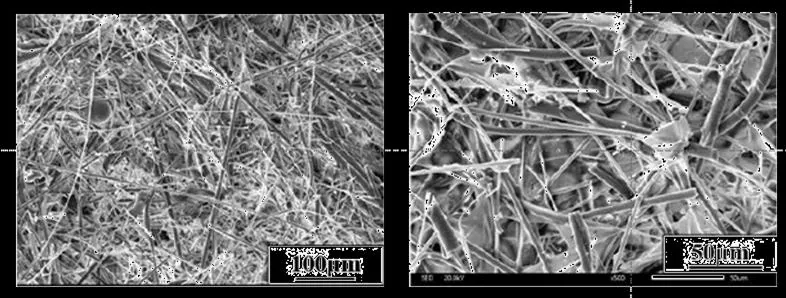
Most ammonium bisulfate SCR problems reported in low-temperature DeNOx systems are not catalyst failures at all — they are operating-window failures. Ammonium bisulfate (NH₄HSO₄, usually abbreviated ABS) forms whenever SO₃, unreacted ammonia and water vapour coexist below roughly 300 °C, and it condenses as a sticky gel that blocks pores and covers active sites. Because […]
Catalytic Ceramic Filter vs SCR: Capex, Opex and Footprint Compared
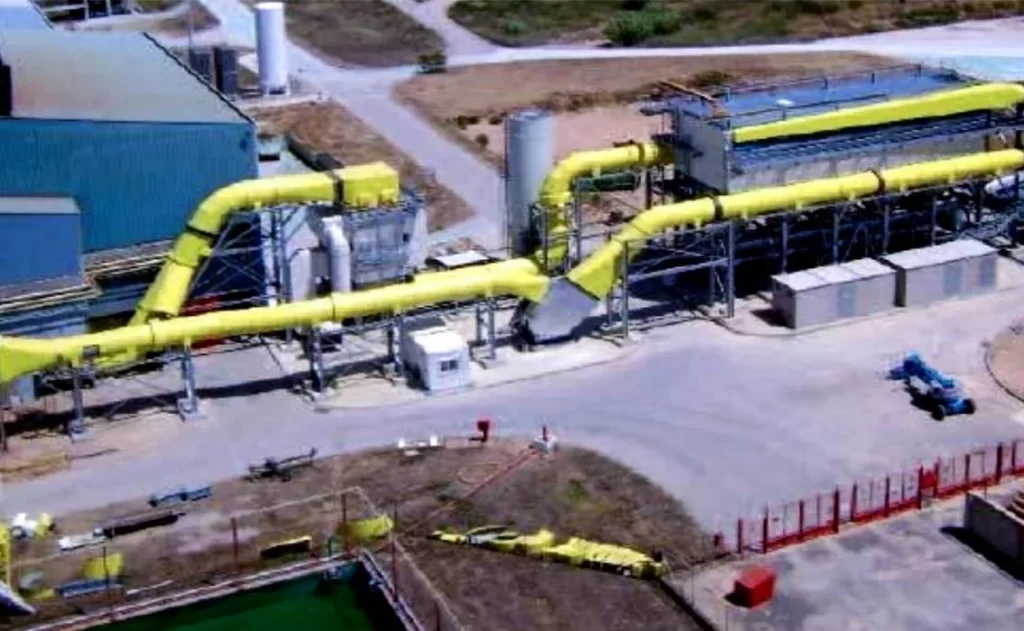
The catalytic ceramic filter vs SCR debate is usually framed as a technology contest, but on a real project it is almost always an equipment-count question. Both routes can deliver the same NOx figure at the stack; what differs is how much hardware, how much plot area and how much operating attention it takes to […]
Dioxin Removal from Waste Incinerator Flue Gas with SCO Catalytic Filters
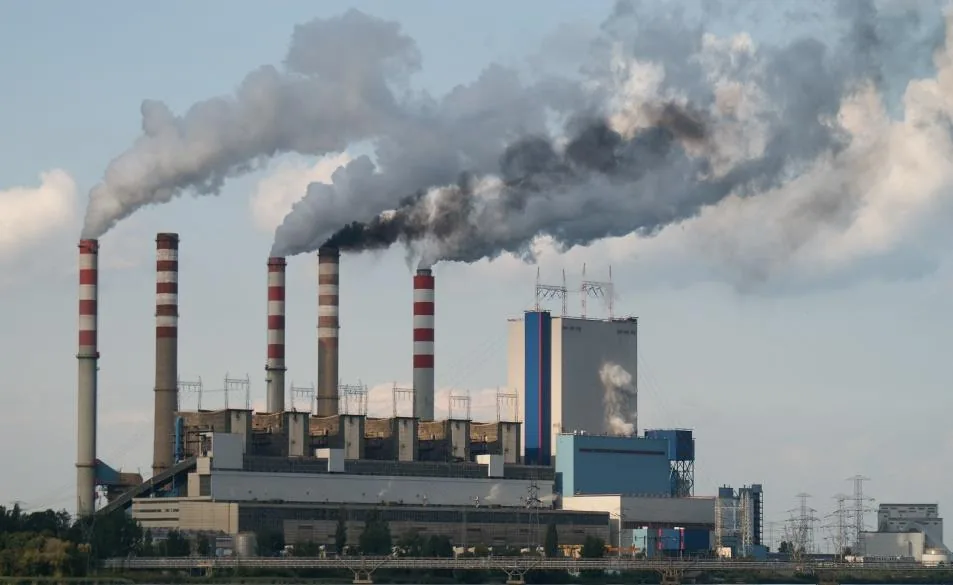
Dioxins are the most tightly regulated pollutants leaving a municipal or hazardous waste incinerator, and the conventional answer — activated carbon injection — destroys nothing. It moves the molecule out of the gas phase and into a spent carbon residue that still has to be landfilled or thermally treated somewhere else. A dioxin removal filter […]
Low-Temperature DeNOx: How Catalytic Ceramic Filters Work at 170–300°C
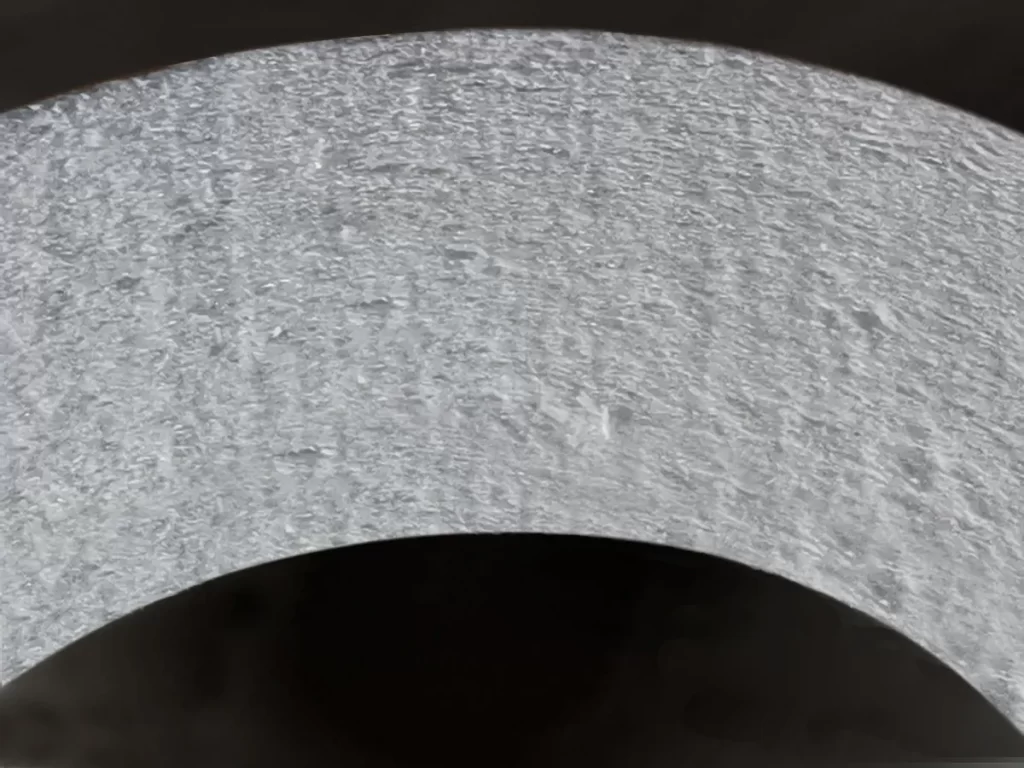
A low temperature denox catalytic filter removes NOx in the same vessel that removes dust, and it does so at the temperature the flue gas already has. That second point is the entire argument. Conventional SCR forces a plant to reheat the gas before it can remove NOx; a catalytic ceramic filter simply works where […]
Pre-coating Ceramic Filter Tubes: Why It Matters and How to Do It
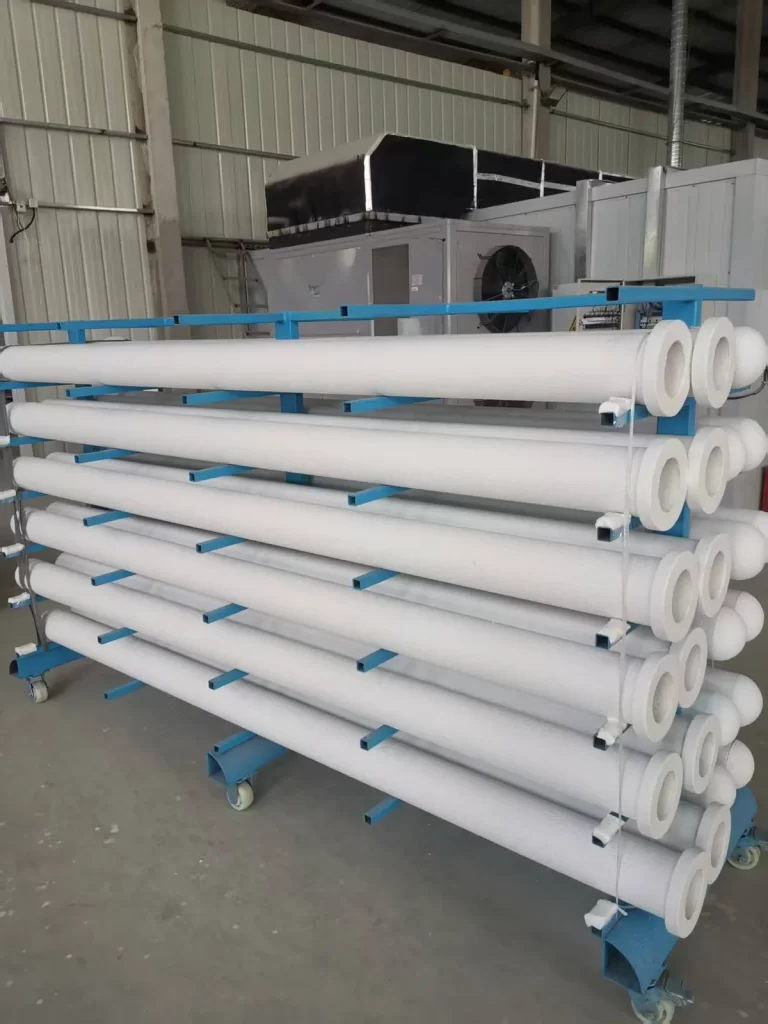
Pre-coating filter tubes before a campaign is the cheapest insurance a plant will ever buy, and it is the step most often skipped. The reason it gets skipped is that nothing bad happens immediately: the vessel starts, the pressure looks normal, and the problem only surfaces months later as a differential pressure that will not […]
Ceramic Filter Installation and Fluorescent Powder Leak Detection: Step by Step
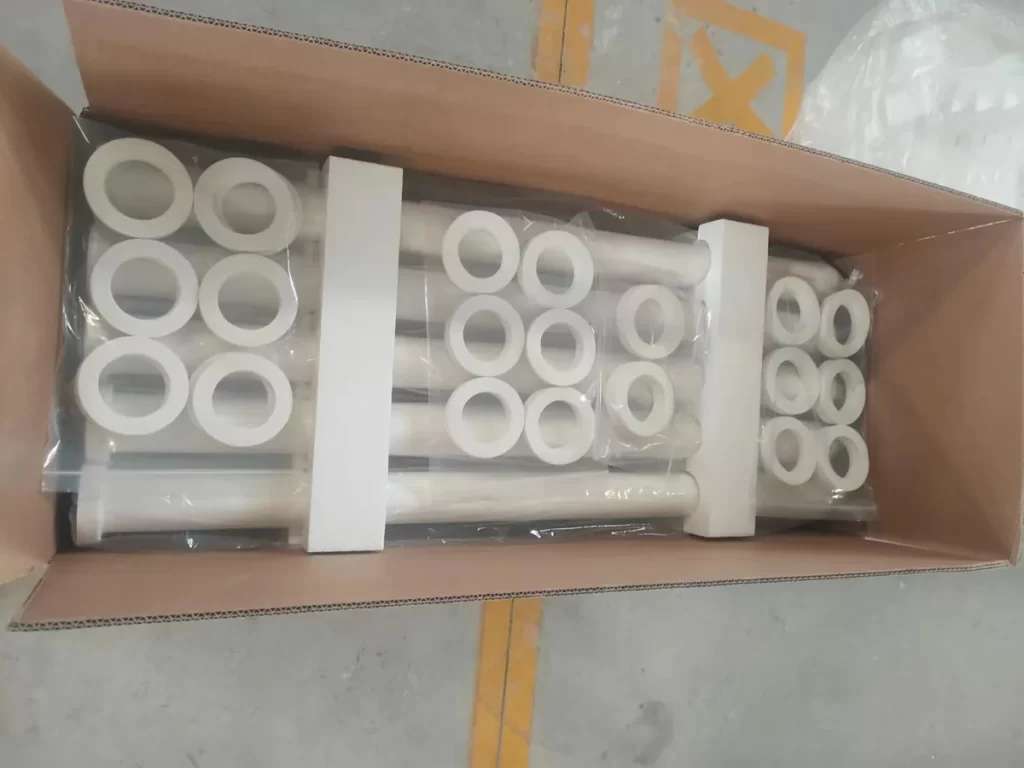
Ceramic filter installation is where most of the service life of a rigid filter tube is either won or lost. The element itself is a robust piece of engineering — a sintered ceramic fibre body with a 20 mm wall and more than 80% porosity, rated for continuous 600°C duty and peaks up to 1000°C […]
Ceramic Filter Element Selection Guide: Size, Pressure Drop and Chemistry
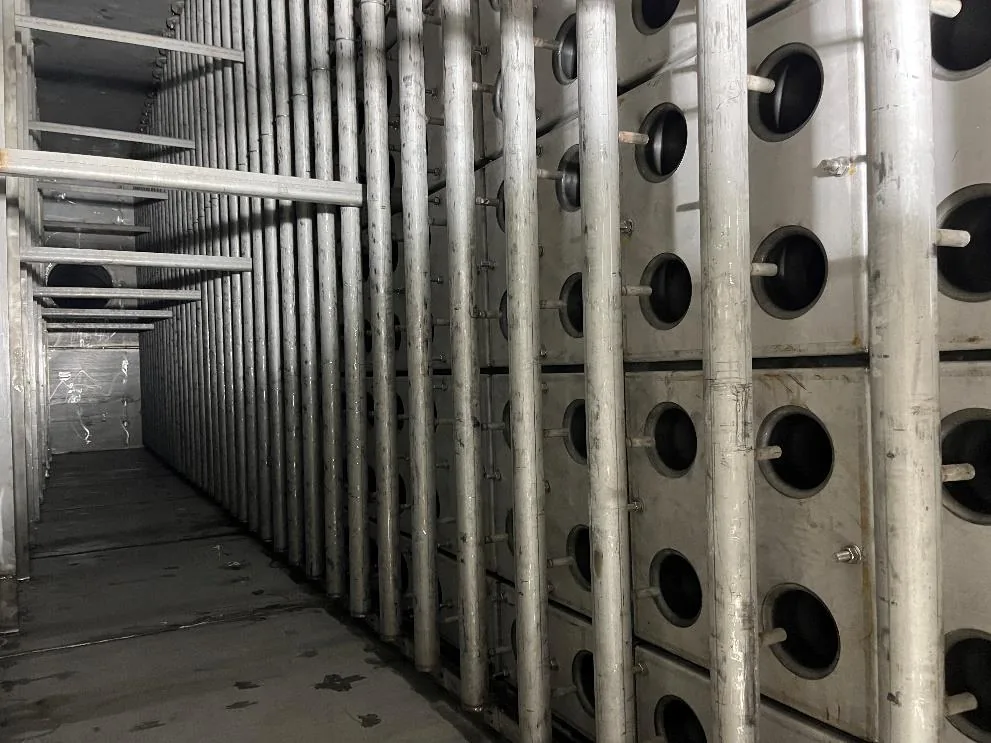
Good ceramic filter element selection is three calculations and one chemistry check, and most specifications get the order wrong: they pick a size, then discover the gas does not fit the material. This guide works the other way round. Read the stream first, then convert gas volume into element count using the standard φ150 × […]
How to Retrofit a Baghouse to Ceramic Candle Filters (Checklist)
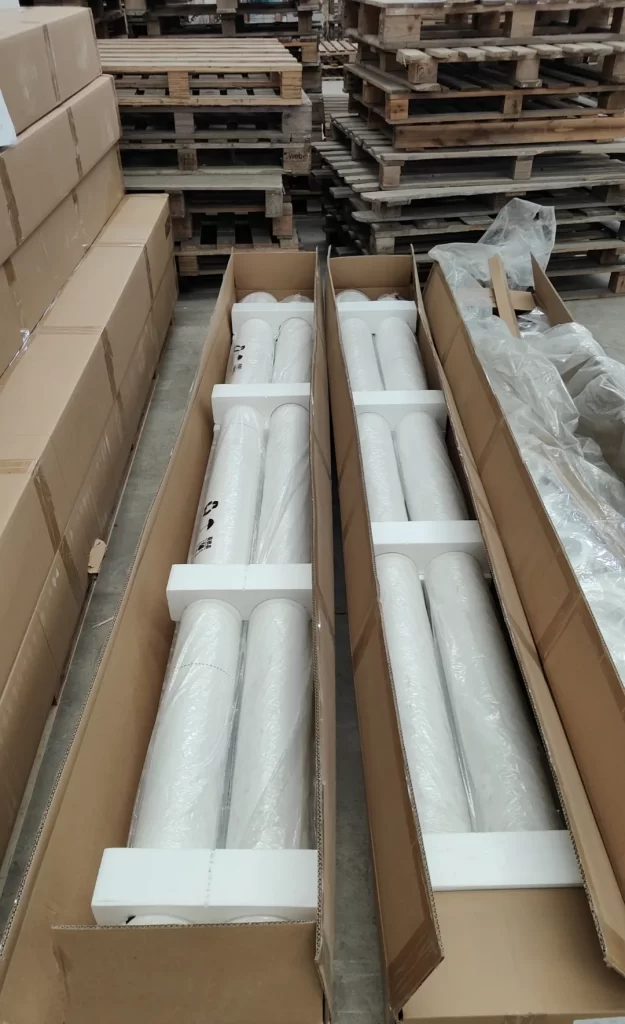
A baghouse retrofit ceramic filter project is won during the survey, not during the installation. Most failed high temperature baghouse retrofits did not fail because the elements were wrong; they failed because nobody re-checked the tubesheet flatness, the fan margin or the acid dew point before the old bags came out. This checklist follows the […]
Ceramic Filter vs Bag Filter: 12 Differences That Matter at High Temperature
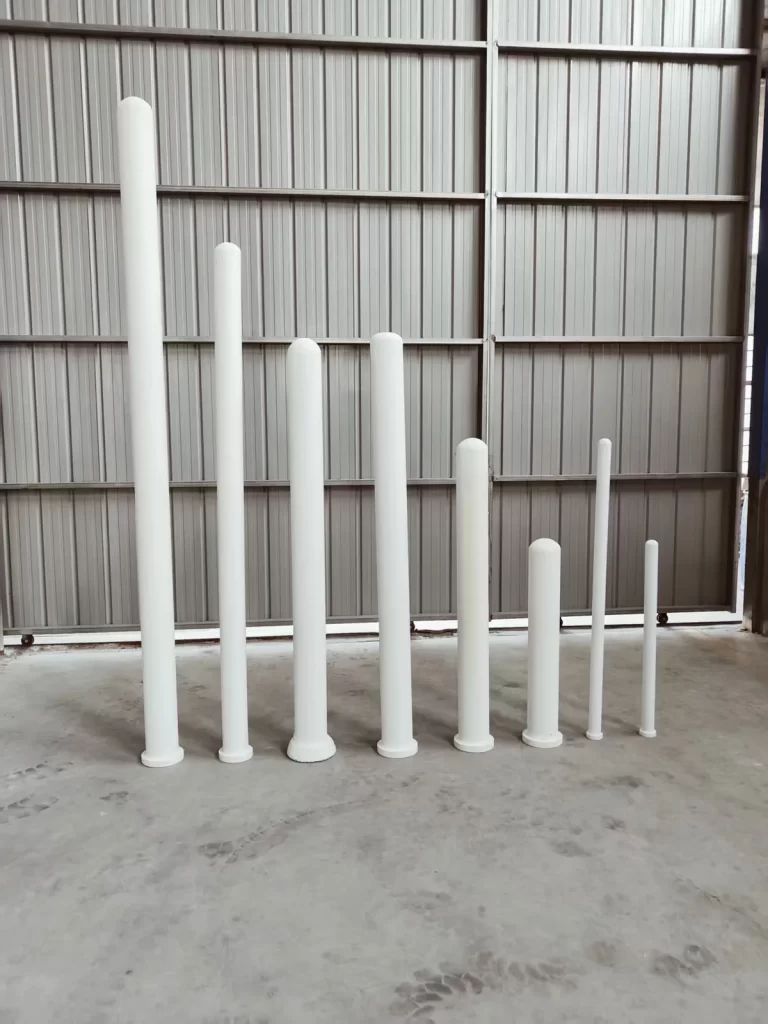
Anyone who has specified a ceramic filter vs bag filter for the same vessel eventually stops asking which media filters better and starts asking which one fails in a way the plant can absorb. Bag media fails by melting, blinding or tearing, usually without warning and usually halfway through a campaign you cannot stop. Ceramic […]
Catalytic Ceramic Fiber Filter
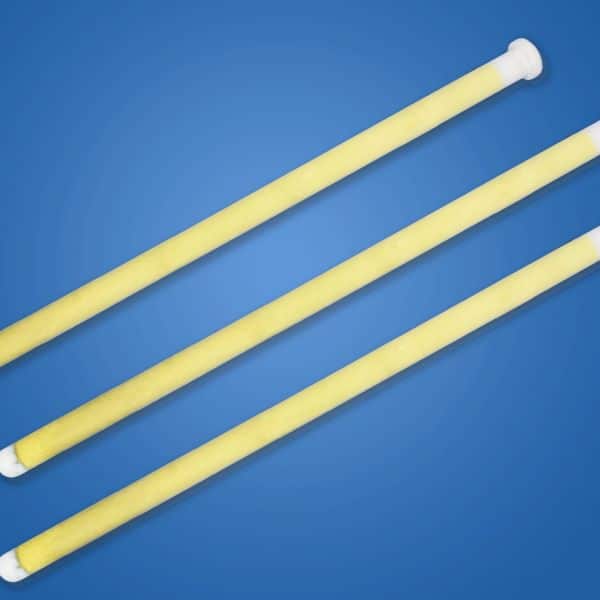
Catalytic ceramic fiber filter for integrated dedusting, desulfurization, denitrification and dioxin removal with efficiency up to 95% in a single system.
 English
  Deutsch
  简体中文
简体中文  한국어
한국어  日本語
日本語  Español
  Français
  Italiano
  Türkçe
  Tiếng Việt
  Português
  हिन्दी
  العربية
  Polski
  繁體中文
繁體中文